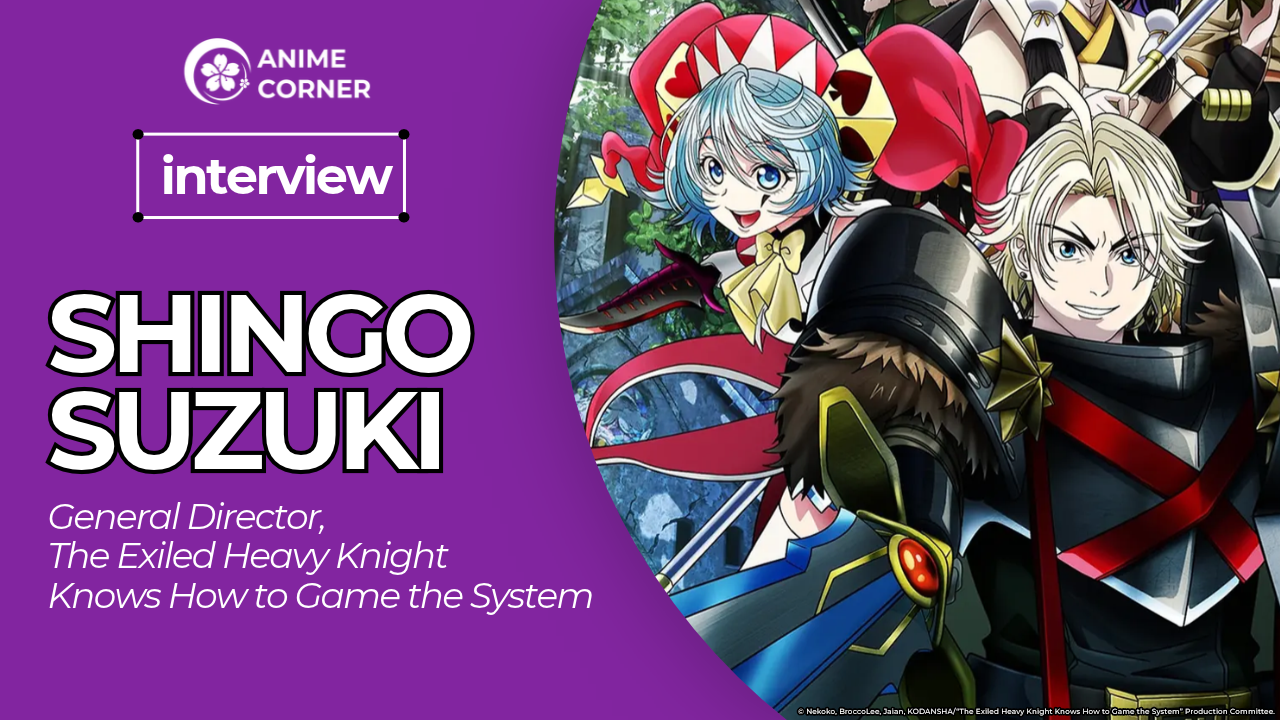
Studio GoHands has become known for its distinctive approach to anime production, combining dynamic camerawork, detailed character animation, and elaborate visual compositions. With The Exiled Heavy Knight Knows How to Game the System, the studio took on a full-fledged fantasy setting for the first time, bringing its signature visual style to a world of swords and magic.
We had the opportunity to interview the anime’s General Director Shingo Suzuki about the challenges of adapting the series, the creative decisions behind GoHands’ recognizable animation style, and how the expanded world and cast of the ongoing Part 2 have influenced the production. Read on for the full interview.
Q: The Exiled Heavy Knight Knows How to Game the System is GoHands’ first production set in a strongly fantasy-oriented world. What did this setting allow you and the staff to explore visually that you had not been able to try in previous GoHands productions?
A: This was our studio’s first full-fledged fantasy work, and also our first time working with a reincarnation story. So before thinking about visual expression, we placed importance on first understanding the world itself. We started by having the entire staff share a sense of what atmosphere a world of swords and magic has, and how people live in it.
At the same time, we were conscious of translating the pacing and lighthearted feel unique to reincarnation stories, that particular vibe, into the rhythm of the visuals. I think the challenge this time was, once we understood the world, figuring out how to blend the camerawork and animation we’ve cultivated over the years into a fantasy setting.
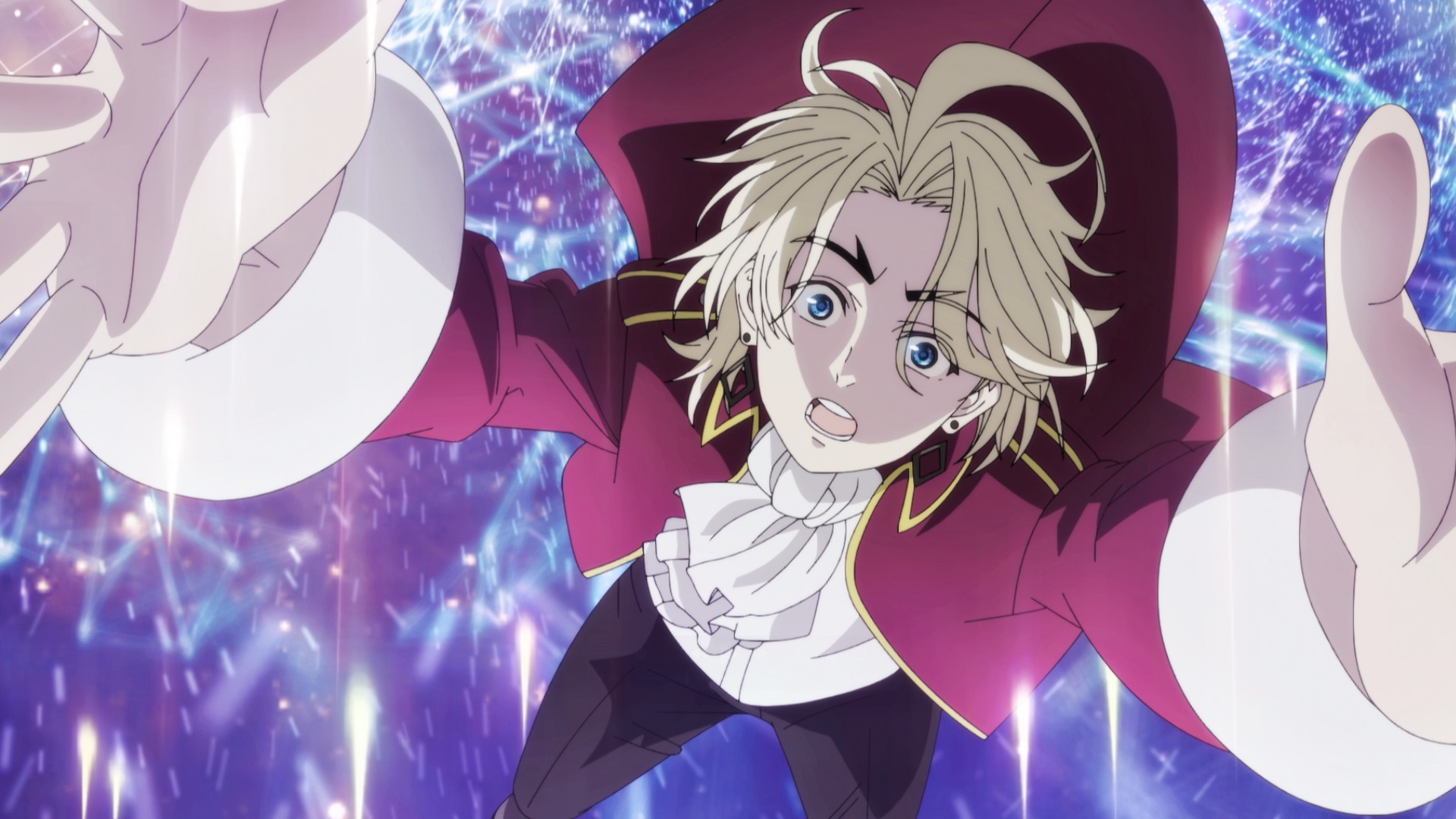
Q: Elymas wins not simply through power, but through his knowledge of the game’s systems, his preparation, and his ability to find unexpected solutions. How do you express that strategic thinking visually while keeping each battle exciting and immediate?
A: Because Elymas’s victories come not from brute force but from knowledge, preparation, and ingenuity, we put emphasis on making sure viewers understand why a particular move worked.
However, if things become too explanatory, the battle loses its tempo, so we use cut composition and camera movement to contrast the moments when Elymas is reading the situation with the moments when what he prepared actually pays off. While he’s thinking, the perspective stays steady; the instant it lands, everything moves at once.
Through that contrast in pacing, we aimed to deliver both the fun of his thought process and the intensity of the combat.
Q: Adapting the story in two parts means planning a long arc for weekly viewers. As General Director, how do you approach the structure of the series, including the decision to revisit key moments, such as Elymas’ game knowledge or earlier battles, so that the audience carries them into new episodes while the story keeps moving forward?
A: In a long, two-part story, I think it’s important that viewers can naturally recall what has happened so far. We positioned scenes that look back on Elymas’s game knowledge and past battles not as mere explanation, but as a run-up to new developments.
Where to look back and where to push forward is decided not episode by episode, but within the flow of the work as a whole. We structured the series with attention to how those look-back scenes connect to the new battles, so that viewers can feel, “So that knowledge from back then pays off here.”
Q: As a Heavy Knight, Elymas naturally suggests weight and physical force, while GoHands’ camera can move with great freedom and speed. How do you balance these two qualities so that his attacks still feel heavy and powerful within such dynamic sequences?
A: I don’t think a freely moving camera and the weight of Elymas’s blows are at odds. Rather, precisely because the camera moves so much, doing things like stopping the motion at the instant a blow lands makes the weight stand out.
In the wind-up to an attack, we make sure to show the kind of build-up befitting a Heavy Knight, and at the moment of impact, we design it so that the entire frame absorbs the shock. We always built the camera’s trajectory in a way that conveys the weight of Elymas’s body and his weapon.
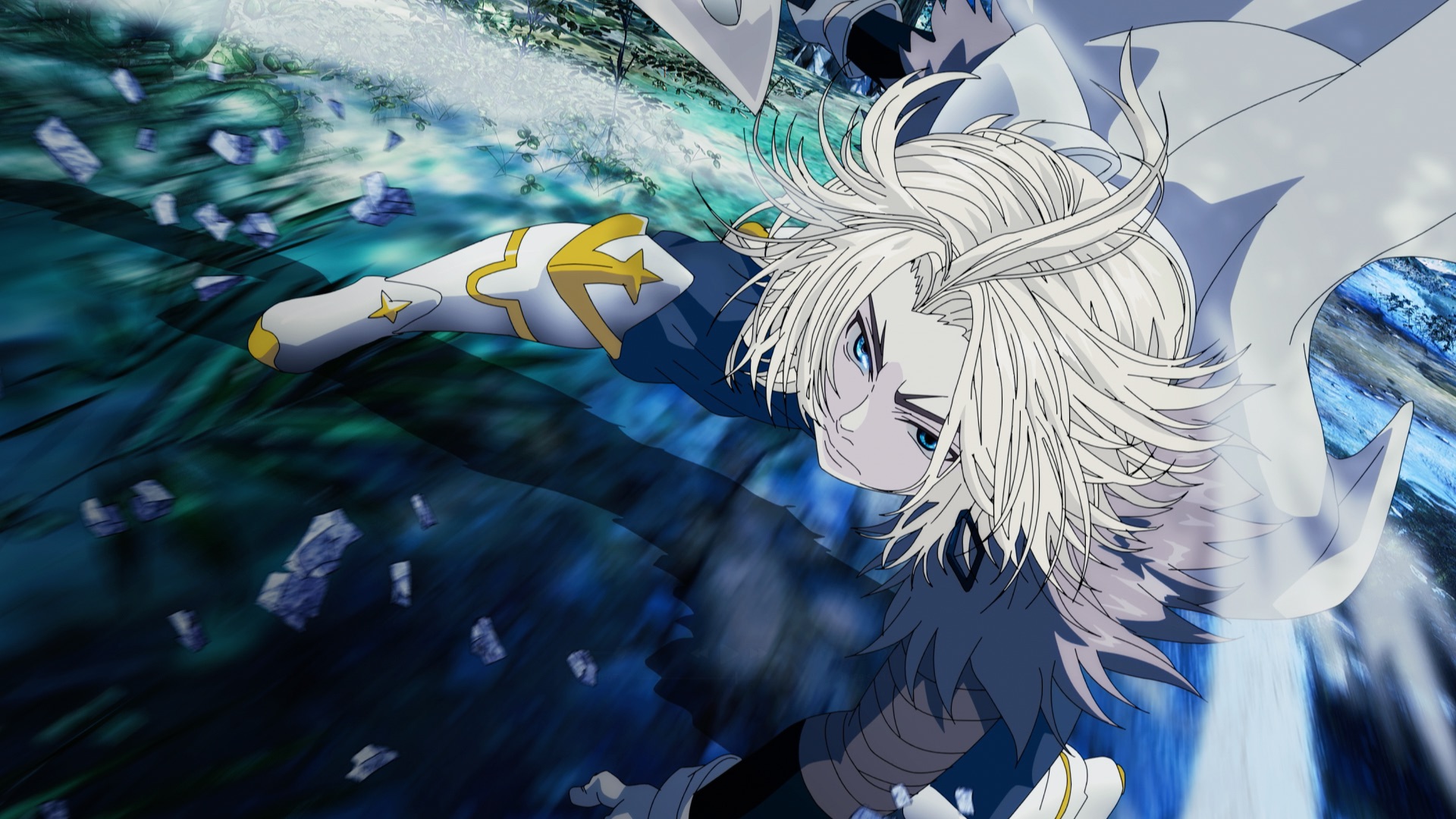
Q: You have spoken about using angles that would be difficult to achieve with a live-action camera and about creating a distinctive sense of the lens. When designing a sequence, what usually comes first: the characters’ movement, the emotional goal of the scene, or the camera’s path through it?
A: It depends on the scene, but in most cases the starting point is the emotional intent, what we want the audience to feel in that scene. Based on that intent, we decide how the characters should move, and finally we think about the camera trajectory that will show it most effectively.
Sometimes we design camera-first, but that is always a means of enhancing the performance and emotion. We always make a point of coming back to the question of what we want to show in that cut.
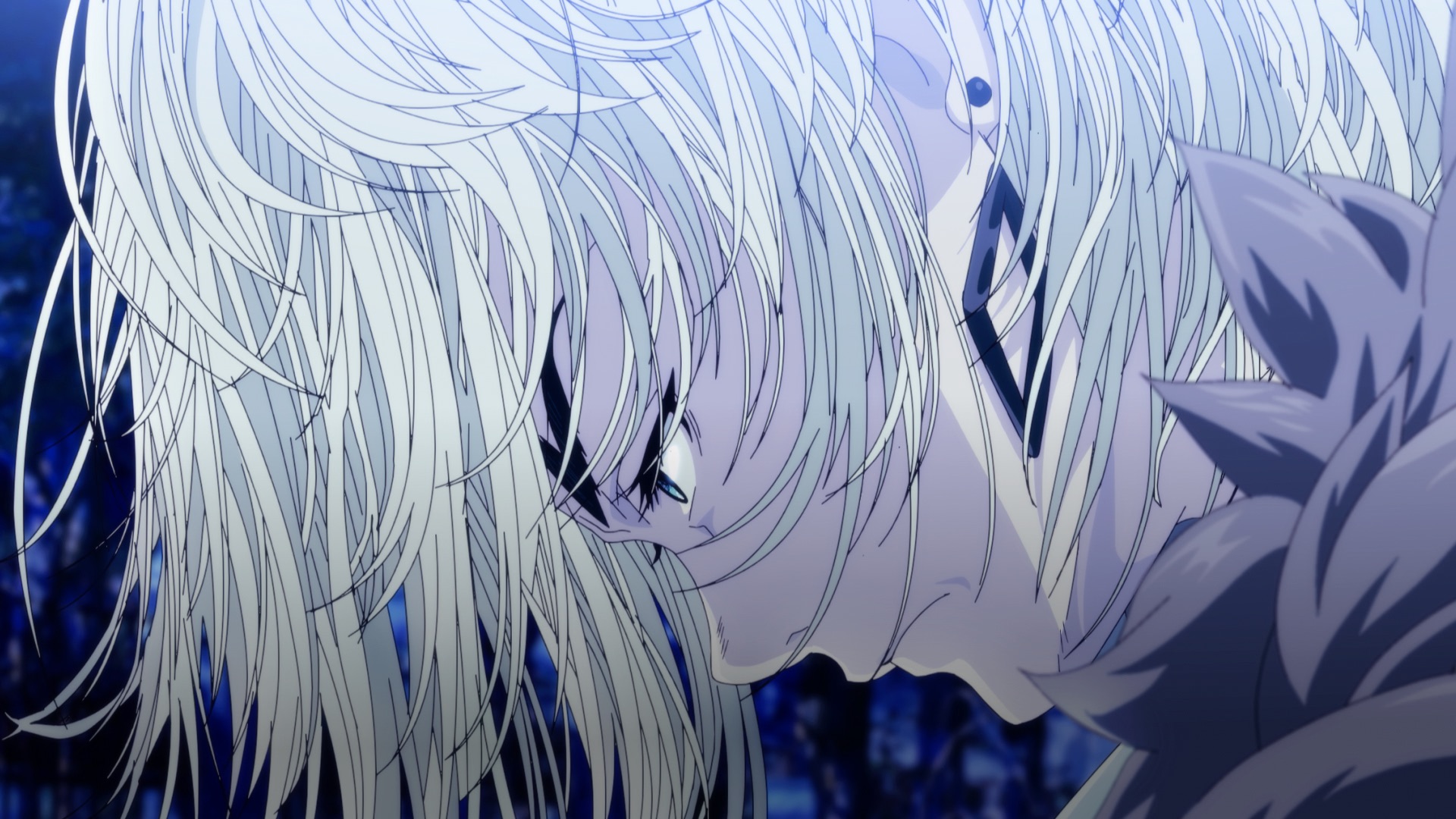
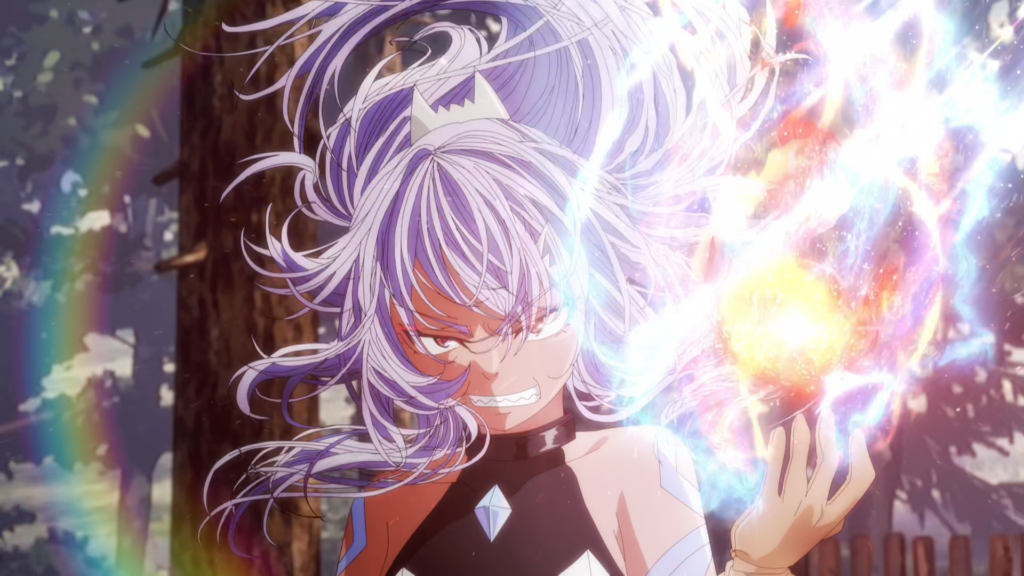
Q: The detailed, hand-drawn movement of the characters’ hair has become one of the most recognizable elements of the series. Are there specific principles that guide how strongly the hair responds to a character’s movement, emotion, or environment, or is that expression developed individually for each cut?
A: We do have broad guidelines for hair movement. The basic idea is how the hair reacts to a character’s movements and emotions, and how it settles. On top of that, we make individual adjustments for each cut to match the camera movement and the acting.
In some scenes we reinforce heightened emotion through the movement of the hair, and in others we deliberately hold the movement back to create a sense of stillness. It’s a matter of sharing the basic approach while choosing the most effective expression for each cut.
Q: Many shots contain several layers of motion at once, including character acting, hair and clothing, environmental activity, effects, and the camera itself. How do you establish a clear visual focus so that viewers instinctively know where to look?
A: In scenes where multiple movements overlap, we design them while being conscious of where the viewer’s eyes will go. The basic approach is to give the most meaningful movement to the element we want to show, and to tone down the amount of movement and contrast in everything else.
If everything moves with the same intensity, you actually end up unable to see anything. Even in a busy frame, I always made a point of creating a single focal point.
Q: The series is often visually energetic, which can make moments of stillness stand out by contrast. How do you decide when a scene benefits from pushing movement, perspective, and detail, and when holding back will make the next moment more powerful?
A: Precisely because this work has so much movement, I think the moments where things stop become all the more valuable. We push the movement in scenes where emotion or action is building toward a peak.
In contrast, at moments when a character makes a decision, we deliberately restrain the movement and give viewers time to catch their breath. That stillness makes the next movement feel even bigger.
The criterion for that judgment is the emotional flow of the scene. Rather than keeping things in constant motion, we decide by thinking about where to place the peaks within that flow.
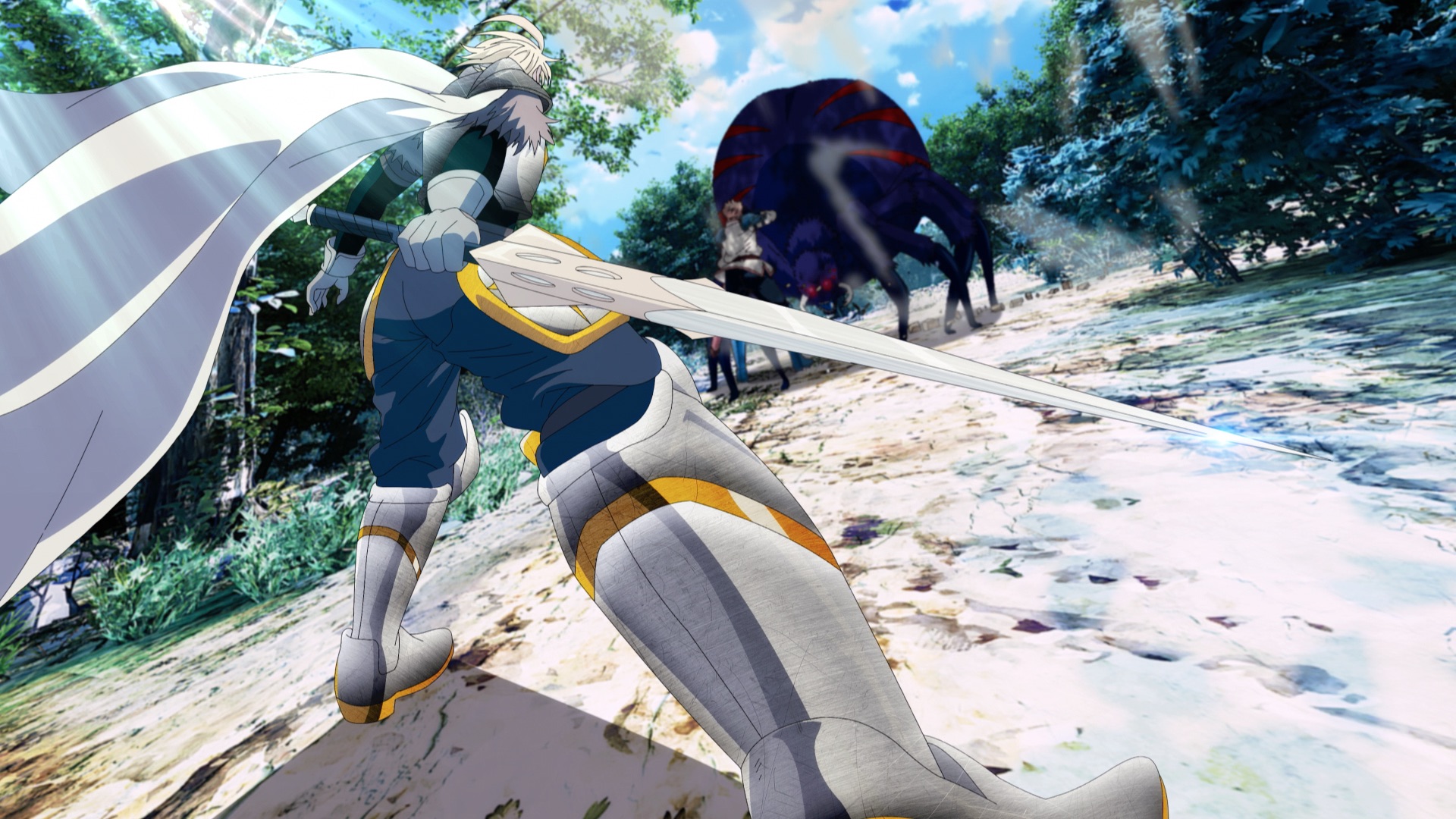
Q: GoHands combines expressive hand-drawn character animation with rich dimensional environments and digital compositing. How do the animation, background, CG, and compositing teams build a complex shot together, and which element usually provides the starting point for the others?
A: The animation, art, CG, and compositing teams start by sharing a direction at the storyboard and layout stages. The starting point is the storyboard.
By locking down the camera position and movement, character placement, and how the background will look at that stage, each team can carry out its work in parallel. The more complex the cut, the more important it is to do this initial design carefully. If things aren’t shared thoroughly here, they won’t mesh in the later processes.
Finally, when compositing brings all the elements together into a single frame, we check that it looks the way we intended at the design stage.
Q: GoHands brings highly developed visuals to the voice recording stage, and several of the new second part cast members have commented on how complete the animation already looked. Can you share an example of a scene where this approach inspired a performance, sound choice, or adjustment that improved the finished result?
A: At our studio, we strive to provide colored footage at nearly broadcast quality by the voice recording stage. When recording is done against footage made from key animation or storyboards, it tends to be a difficult environment for the cast to perform in.
Having footage close to completion lets them act while watching the expressions, timing, and atmosphere on screen, and we often hear from them that it makes things “easier to perform.” We place importance on handing it over in a state where the cast can take cues for their performances from the screen.
Q: The anime’s visuals have inspired a great deal of conversation among viewers, who are paying close attention to details such as the hair animation, camera placement, and environmental movement. As a creator, what is it like to see audiences engage so closely with choices that began inside the studio?
A: As creators, we are truly grateful that people pay attention to even the finest details. Elements like hair movement, camera placement, and background motion are each built up through the staff’s handiwork, so it’s very encouraging to have people notice them.
At the same time, we also feel a sense of responsibility, knowing that people are watching so carefully. We want to keep crafting every single cut with care so that we can live up to everyone’s expectations.
Q: The second part takes Elymas into the city of adventurers and introduces new environments, dungeons, and characters. What new visual opportunities did this setting and expanded cast create for the staff?
A: In Part 2, the setting moves from a rural town to the big city, Lacoryna, the city of adventurers, and the world has expanded greatly. The enemies have grown stronger as well, and the scale of the story has gone up a notch.
Within that, we felt it was important to depict the protagonist’s horizons broadening and show that he can make his mark even in a larger world.
Also, with the number of companions adventuring together growing from two to four, the range of fighting styles has widened too. We paid particular attention to group acting and to depicting battles in which multiple characters coordinate.
With the new settings and additional characters, the amount of information on screen also increased, so how to organize and present it was another challenge for Part 2.
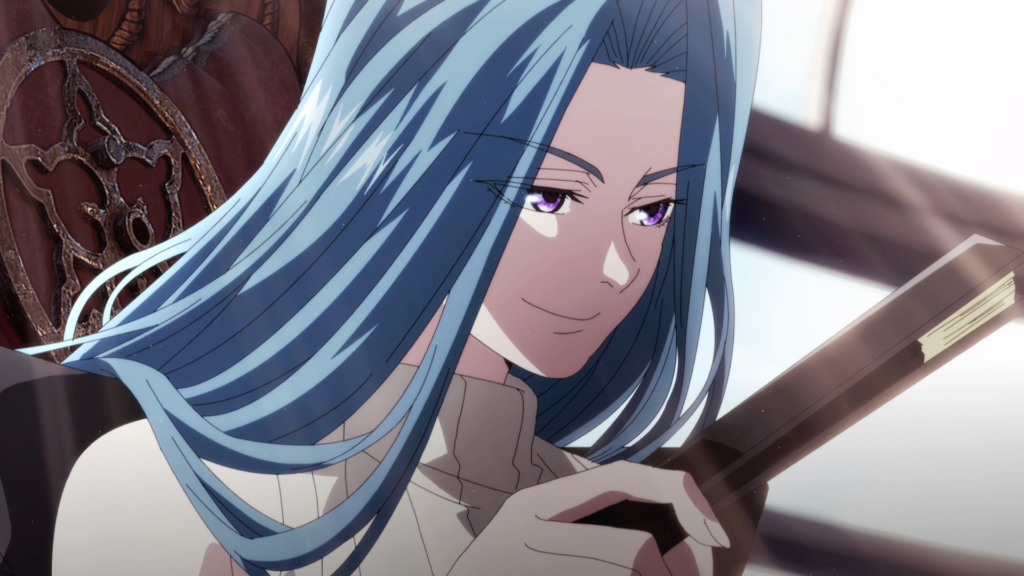
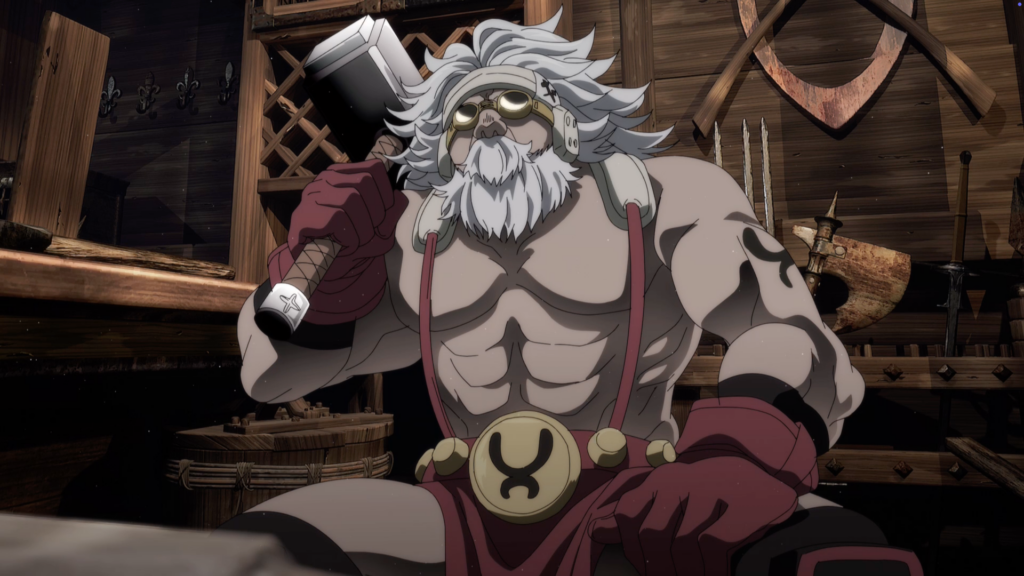
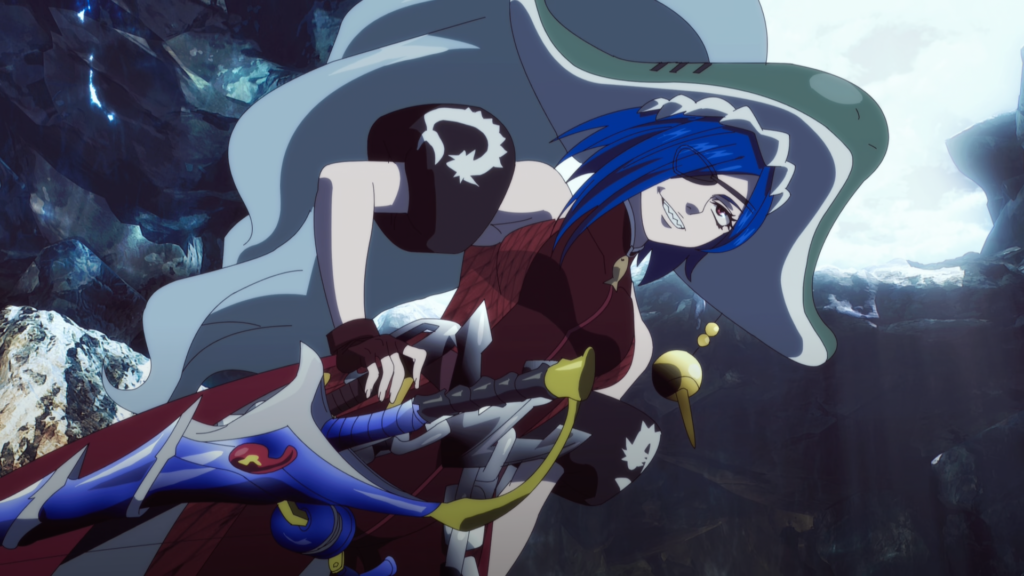
Q: Is there an aspect of the production, such as backgrounds, effects, character acting, or sound, where the staff are doing especially ambitious work that you hope viewers will look at more closely during the second part?
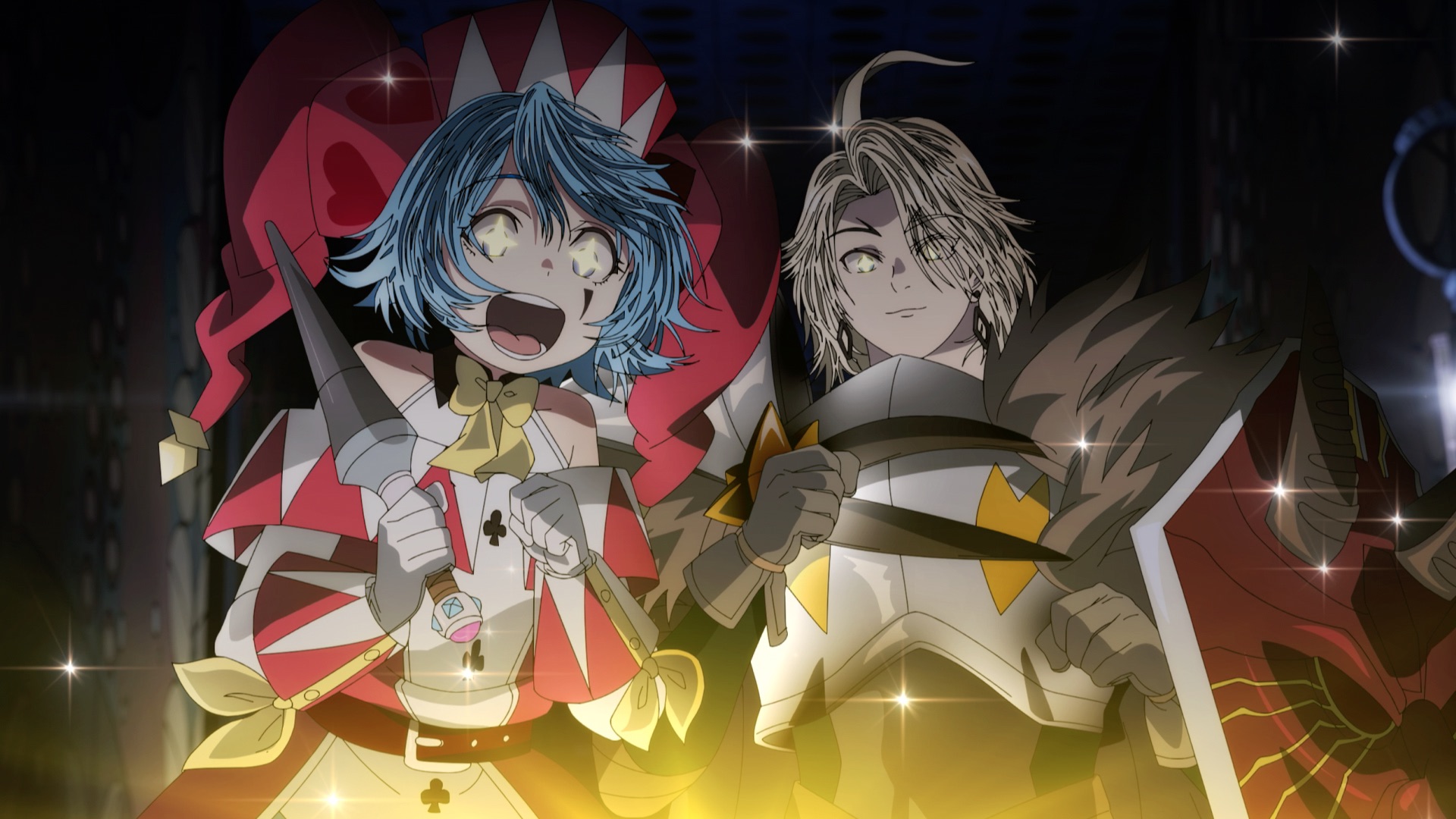
A: In Part 2, I’d really like people to pay attention to the depiction of group combat, now that the party has grown to four. Since each member has a different role, we’re creating these scenes with attention to how their individual movements mesh and come together as a single battle.
The expanded setting, the new city of Lacoryna, the dungeons, and more, should also be enjoyable to see on screen. I’d be delighted if you watch how Elymas and the others move through a larger world, built on the foundation of what we developed in Part 1.
Q: Finally, do you have a message for the international fans watching the series?
A: Thank you so much for always watching the series. All of us on the staff are very happy that you watch it so closely, down to the smallest details.
In Part 2, both the world and Elymas’s circle of companions expand, and his adventure grows even bigger. We hope the passion the entire staff has poured into the visuals reaches you, even if it’s just a little bit. We’d be grateful if you’d follow Elymas and the others on their journey all the way to the end.
We would like to thank the General Director and the team at GoHands for taking the time to answer our questions and share their insights into the production of The Exiled Heavy Knight Knows How to Game the System. We look forward to seeing how the studio continues to bring Elymas’s expanding adventure to life in Part 2, which is currently streaming on Crunchyroll.
Official Website: sh-anime.shochiku.co.jp/jukishi-anime
© Nekoko, BroccoLee, Jaian, KODANSHA/“The Exiled Heavy Knight Knows How to Game the System” Production Committee.

Join the discussion
Comments are linked to your Anime Corner account and published after moderation.
Sign in to comment
Use your Anime Corner Portal account across all Anime Corner services.